
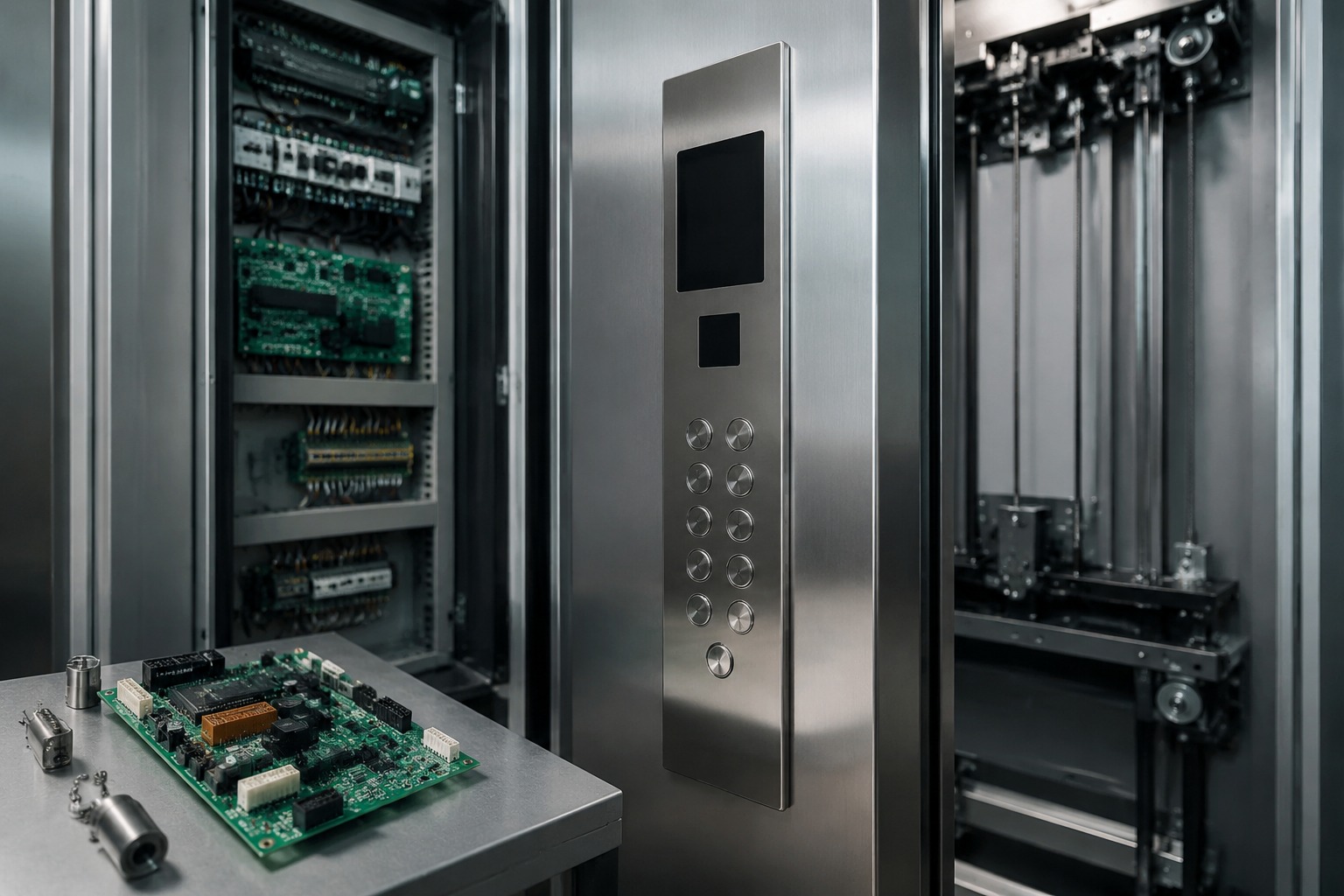
An elevator car operating panel, often called a COP, is one of the most visible and frequently used parts inside any lift. It is where passengers press floor buttons, read floor position information, use alarm and door controls, and judge the quality of the elevator in seconds. In India, where elevators serve premium residences in Mumbai, hospitals in Chennai, offices in Bengaluru, hotels in Goa, warehouses near Bhiwandi, and mixed-use towers in Gurugram, the design of the COP affects safety, convenience, maintenance cost, and overall building image.
The direct answer is simple: a good COP should match the building type, the controller logic, passenger traffic, accessibility requirements, and local operating conditions such as dust, humidity, voltage fluctuation, and heavy daily use. It should also be easy to maintain, easy to identify by model, and durable enough to reduce downtime. For new projects and modernization jobs alike, buyers in India increasingly want a combination of custom faceplate styling, reliable buttons and displays, proper wiring compatibility, and predictable after-sales support.
When selecting a new car panel or replacement unit, it helps to look beyond appearance. You need to confirm the button layout, mounting dimensions, indicator type, communication interface, and compatibility with the elevator controller and car wiring harness. For projects that involve brand-specific replacements or modernization work, the safest path is to source from a supplier that can support model matching, inspect stable quality, and protect parts properly during transport to cities and industrial corridors across India.
For building owners, maintenance companies, and modernization contractors seeking custom elevator COP panels and car button displays, the ideal approach is to balance design flexibility with practical serviceability. That is especially important in a diverse market like India, where project expectations vary between luxury apartments in Hyderabad, commercial towers in Pune, educational campuses in Ahmedabad, and transit-linked developments around Delhi NCR.
The Indian elevator market continues to grow with urban redevelopment, metro expansion, and retrofitting of aging buildings. As a result, demand is increasing not only for complete elevator systems but also for dependable spare parts and modernized interface components such as COP panels, call buttons, displays, and intercom modules. The sections below explain how to choose wisely.
The growth trend above reflects broader modernization activity. As more buildings in Indian cities move from basic elevator interiors to upgraded user interfaces, COP panel selection is becoming part of both maintenance planning and tenant experience strategy.
What a COP includes
A car operating panel usually includes more than just floor buttons. In a complete configuration, it can contain the floor selection buttons, open and close door buttons, alarm button, emergency communication module, overload or service indicators, floor position display, direction arrows, key switches, speaker grille, microphone openings, braille markings, and the stainless steel or decorative faceplate that holds everything together. In premium or specialized installations, it may also include card reader cutouts, touchless sensors, access control indicators, or voice announcement integration.
Different buildings in India require different layouts. A low-rise apartment block in Kochi may need a compact vertical COP with a simple LED floor indicator, while a high-rise office building in Noida may require a larger panel with access control, lift status display, and refined branding. Hospitals in cities such as Chennai and Lucknow often need larger buttons, clearer indications, and durable anti-bacterial or easy-clean finishes. Hotels and serviced apartments may prioritize visual elegance, hidden fasteners, and coordinated lighting.
The core idea is that a COP is both an electrical assembly and a finish component. Electrically, it must communicate correctly with the lift controller. Physically, it must fit the car wall, align with cutouts, and resist wear from constant use. Operationally, it must remain intuitive for passengers of different ages and abilities.
| COP Component | Main Function | Why It Matters | Common Options | Typical Use in India | Selection Note |
|---|---|---|---|---|---|
| Floor buttons | Select destination floor | Most used component | Mechanical, micro-touch, illuminated | All building types | Choose long-life contact design |
| Door open/close buttons | Control door timing | Improves passenger control | Icon-based, engraved, backlit | Residential and commercial | Use clear symbols for multi-user spaces |
| Alarm button | Emergency signaling | Critical safety feature | Flush, recessed, protected | Mandatory in all lifts | Ensure label and wiring are correct |
| Floor display | Shows current floor | Reduces confusion | 7-segment LED, dot matrix, TFT | Offices, malls, apartments | Visibility matters under varied lighting |
| Direction arrows | Indicate travel direction | Improves clarity | LED arrows, integrated display | Higher traffic buildings | Use bright but not glaring LEDs |
| Intercom/speaker module | Emergency communication | Essential during faults | Audio grille, handset-free, integrated PCB | Modernization and new projects | Match system protocol and wiring |
| Faceplate | Holds and presents all devices | Affects durability and aesthetics | Hairline stainless, mirror, bronze, black | All building types | Balance looks with scratch resistance |
The table shows why a COP should be considered as a system rather than a single accessory. For maintenance teams, this systems view helps reduce ordering errors and on-site delays. If one element is overlooked, such as the display voltage or the alarm module format, installation can stall.
In many modernization projects, the car panel must be replaced along with hall call devices to create a consistent user interface. For example, a building updating its old interior may also require compatible landing fixtures such as a matching outbound call panel for Hitachi elevator parts or another brand-specific solution depending on the installed system.
Button display and faceplate choices
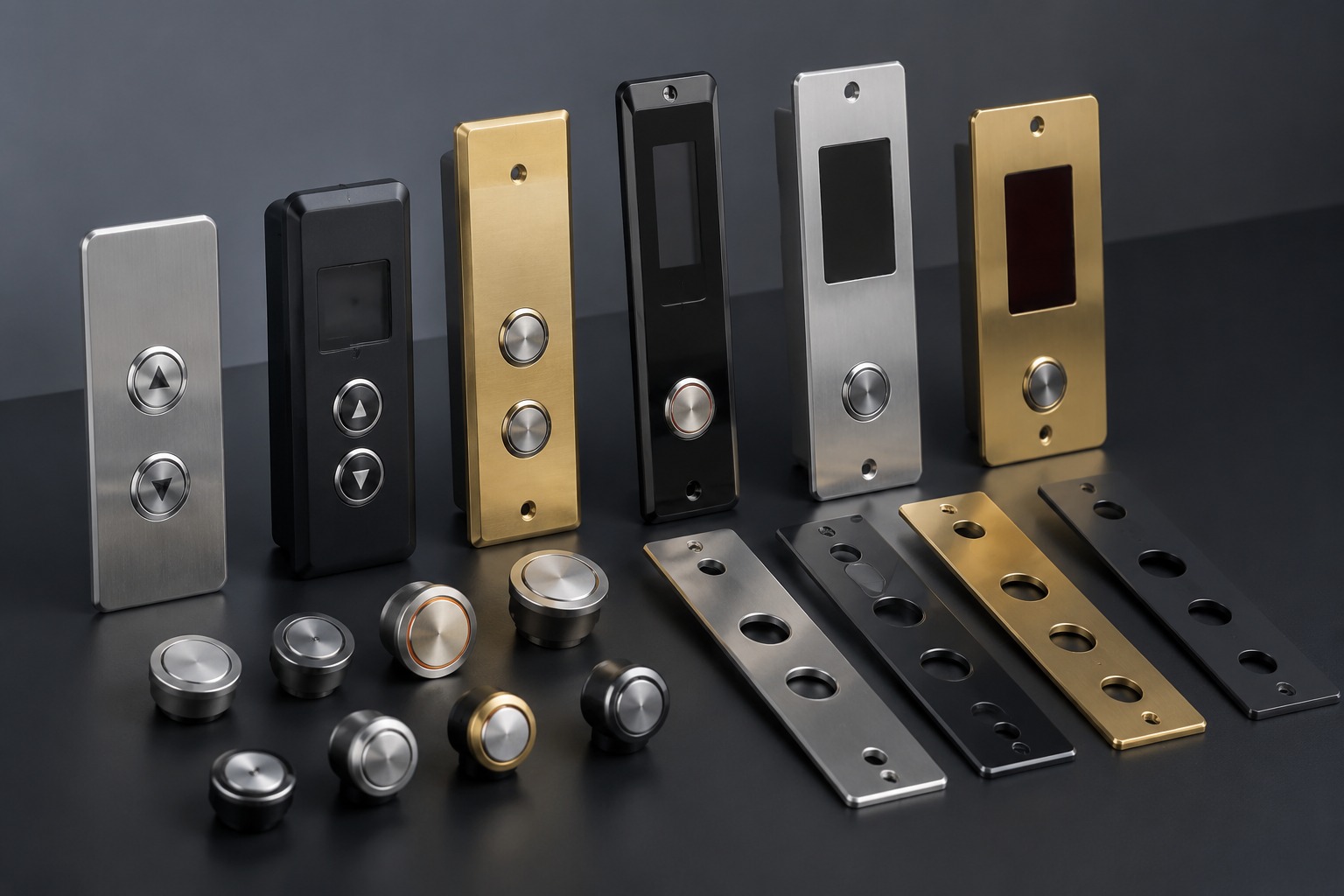
The visual and tactile quality of buttons and displays strongly influences the passenger experience. Users notice button response, illumination, labeling clarity, and the finish of the panel every time they enter the car. In India’s varied climate and building environments, the right material and display technology can also reduce long-term maintenance issues.
Button choices typically include round or square forms, metallic or composite bezels, flush or raised surfaces, and engraved, printed, or icon-based legends. Illuminated halos remain popular because they give clear feedback when a floor is selected. For premium residential towers, soft white or warm backlighting is often preferred. In hospitals and public buildings, brighter high-contrast lighting may be more practical.
Displays range from basic 7-segment indicators to dot matrix units and larger TFT screens. A simple LED display is economical and robust, which suits many apartments and standard commercial lifts. Dot matrix displays can show more information such as floor, direction, and messages. TFT displays support branding and richer interface design but require more careful matching with the system and a realistic maintenance plan.
Faceplates are usually made from stainless steel because it is durable, widely accepted, and suitable for most Indian projects. Hairline stainless is a practical choice in high-traffic areas because it hides minor scratches better than mirror finishes. Mirror stainless offers a premium look but requires more cleaning and can show wear faster. Decorative finishes such as bronze tone, black titanium style, or etched patterns are often chosen for hotels, luxury residences, and corporate interiors.
| Feature | Option | Advantages | Limitations | Best Fit | Buyer Tip |
|---|---|---|---|---|---|
| Button type | Mechanical push button | Proven reliability, clear feedback | More visible moving parts | Residential, commercial | Check life-cycle rating |
| Button type | Micro-touch button | Sleek appearance, light operation | Needs proper quality control | Premium interiors | Confirm sensitivity and durability |
| Display type | 7-segment LED | Simple, economical, robust | Limited information display | Budget and retrofit jobs | Verify digit size and brightness |
| Display type | Dot matrix | Flexible messaging | Moderate cost increase | Commercial and mixed-use | Confirm protocol support |
| Faceplate finish | Hairline stainless | Durable, practical, easy to match | Less dramatic visually | Most buildings | Best balance for India projects |
| Faceplate finish | Mirror stainless | High-end look | Shows fingerprints and scratches | Luxury hotels, premium towers | Plan for regular maintenance |
| Faceplate finish | Decorative coated finish | Strong visual identity | Needs careful quality consistency | Brand-led interiors | Request finish samples first |
The table makes one point clear: the best-looking option is not always the most suitable one. In busy office towers in Mumbai or large public buildings in Delhi, durability and readability often matter more than decorative complexity.
Another key detail is faceplate thickness and rigidity. A panel that looks good in a catalog but flexes during button presses can undermine perceived quality and even affect long-term fastening stability. For that reason, buyers should request mechanical details and mounting drawings, not just photos.
How to customize elevator car panels
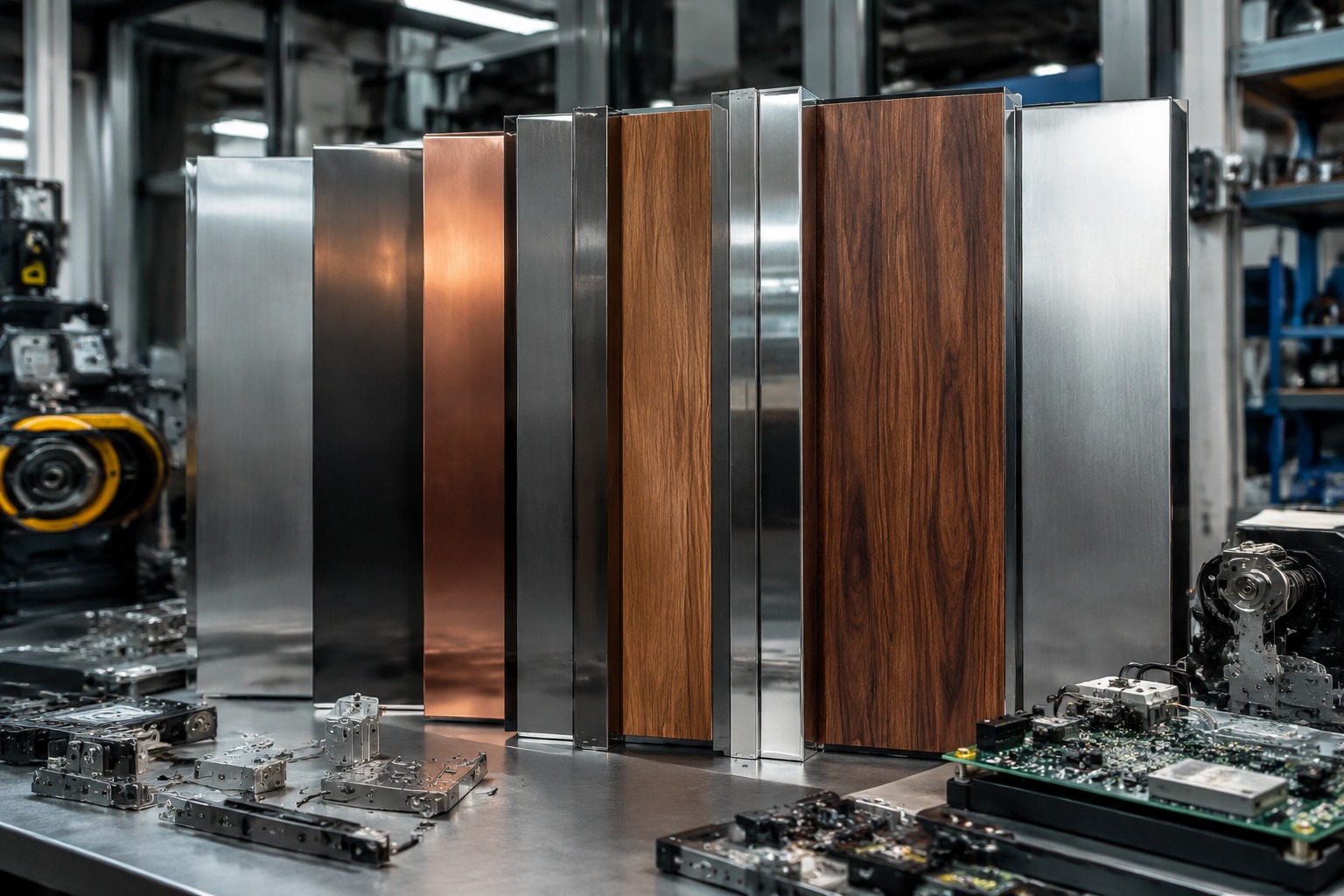
Customization starts with understanding the application. A COP can be customized in size, orientation, button quantity, engraving language, indicator style, logo placement, finish, cutouts for key switches or card readers, and wiring format. In India, multilingual signage can also be relevant in certain settings, especially where English and regional language guidance may improve usability.
Most custom projects follow a practical process. First, define the existing elevator brand and model, controller type, and current panel dimensions. Second, decide whether the aim is visual refresh, functional upgrade, or full modernization. Third, confirm every included component, from button type to display voltage. Fourth, review a drawing before production. Fifth, verify quality inspection and packing standards before dispatch.
Customization is especially useful when the original equipment is outdated, discontinued, or visually inconsistent with a renovated interior. For example, an older residential tower in Pune may want a panel that keeps the same wiring logic but upgrades the faceplate, buttons, and display. A commercial property in Ahmedabad may need the panel to include access control openings for tenant-specific security. A hospitality project in Jaipur may want a distinctive finish aligned with interior design concepts.
Customization should never ignore serviceability. A stylish panel that is difficult to open, difficult to wire, or dependent on uncommon components can increase future maintenance cost. The best custom COP is one that looks appropriate for the building while remaining practical for technicians.
| Customization Area | Available Choice | Operational Benefit | Aesthetic Impact | Risk if Overlooked | Recommended Check |
|---|---|---|---|---|---|
| Panel size | Compact, standard, full-height | Fits car layout correctly | Shapes visual balance | Poor fit on site | Measure mounting area exactly |
| Button layout | Single column, double column, grouped | Improves usability | Creates order and hierarchy | User confusion | Review traffic pattern |
| Legend style | Numbers, icons, engraved text | Clear floor selection | Supports brand style | Misreading by users | Confirm visibility in low light |
| Display integration | Separate or embedded | Better information flow | Cleaner appearance | Mismatch with controller | Confirm signal specification |
| Security cutouts | Card reader, key switch, access module | Controls floor access | Professional finish | Costly rework later | Coordinate with access vendor |
| Surface finish | Stainless, mirror, coated, etched | Affects wear resistance | Defines visual identity | Premature cosmetic damage | Match finish to traffic level |
| Language marking | English, bilingual, icon-led | Improves user clarity | Enhances inclusiveness | Poor accessibility | Check local user profile |
Many buyers in India now prefer to combine customization with partial standardization. This means using common, serviceable internal components while customizing the outer plate and layout. That approach offers a useful compromise between branding and maintenance efficiency.
For modernization contractors handling mixed fleets, consistent sourcing helps. If a project also requires landing fixtures, integrating the car and hall design can improve user experience. In that case, a suitable outbound call panel for lift accessories may be selected alongside the COP to create a coordinated result.
Accessibility and durability considerations
A COP must work for all users, including elderly passengers, children, and people with visual or mobility limitations. Accessibility is not just a compliance issue; it improves passenger confidence and reduces operating confusion. In Indian residential and public buildings, where lifts often serve a broad mix of users, clear button spacing, tactile identification, braille marking, readable contrast, and sensible mounting height all matter.
Durability matters just as much. Many elevator cars operate continuously in environments with dust, humidity, fluctuating cleaning methods, and heavy passenger traffic. Buttons may be pressed thousands of times per month. Displays remain on for long periods. Faceplates are exposed to scratches, fingerprints, and occasional impact from luggage, trolleys, or service equipment.
For hospitals, schools, rail-linked commercial properties, and affordable housing towers, the practical priorities are often easy cleaning, anti-vandal resistance, clear floor information, and long button life. For luxury projects, durability still matters, but the finish and lighting must also support the interior design brief.
| Consideration | Why It Matters | Preferred Feature | Suitable Building Type | Common Problem | Practical Solution |
|---|---|---|---|---|---|
| Braille and tactile marks | Supports visually impaired users | Raised numerals and braille dots | All public and residential lifts | Missing or poorly placed marks | Integrate from design stage |
| Button contrast | Improves readability | High-contrast legends and illumination | Hospitals, offices, malls | Low visibility under glare | Test under actual lighting |
| Mounting height | Ensures reachable operation | User-friendly vertical placement | Universal requirement | Buttons placed too high | Review local access expectations |
| Material durability | Reduces wear and replacement | 304 stainless or equivalent | High-traffic buildings | Scratching and corrosion | Choose finish by environment |
| Button life | Lowers downtime | High-cycle tested button assembly | Commercial and transit-linked sites | Frequent failure | Ask for test standards |
| Cleaning resistance | Maintains appearance and hygiene | Easy-clean faceplate and sealed edges | Hospitals, hotels, apartments | Stains and residue build-up | Avoid overly complex surface patterns |
| Anti-vandal strength | Prevents damage in public use | Robust fixings and tougher buttons | Malls, stations, public housing | Loose or broken components | Use reinforced assemblies |
Accessibility and durability are linked. A worn button with faded legend is also an accessibility problem. A dim display can confuse all users, especially older passengers. That is why life-cycle thinking matters when choosing a panel.
By 2026, demand in India is likely to shift further toward inclusive and sustainable interface design. Buyers are expected to favor lower-energy displays, longer-life buttons, easier-to-recycle metal faceplates, and layouts that support safer, more intuitive elevator use in residential, healthcare, and commercial sectors.
This demand pattern reflects where passenger interface quality has the greatest daily visibility. Residential and office assets remain the strongest segments, but healthcare and hospitality are growing because they place higher value on clarity, service continuity, and coordinated interiors.
Matching COP design with building use
The right COP design depends on the building’s operational reality. A luxury apartment tower in South Mumbai, for example, may benefit from a refined mirror or decorative faceplate, soft backlit buttons, and integrated access control. A government office complex in New Delhi may prioritize durability, standardization, and easy replacement. A hospital in Chennai may choose large tactile buttons, high-contrast displays, and an easy-clean stainless finish. A logistics site near Nhava Sheva or Mundra may require a rugged service-lift COP that tolerates rough use and frequent cleaning.
Passenger flow also matters. In high-traffic office towers, users expect quick readability and intuitive button grouping. In hotels, the interface should feel elegant but remain obvious to first-time guests. In schools and colleges, vandal resistance and simplicity are often more important than decorative detail. In industrial settings, serviceability and robustness usually come first.
For mixed-use projects, a designer may standardize core components while varying the finish by zone. Public passenger elevators can have a more premium COP, while service lifts use a tougher, more utilitarian configuration. This preserves brand consistency without overspending on areas where heavy wear is expected.
| Building Type | Recommended COP Style | Preferred Display | Finish Recommendation | Key Priority | Reason |
|---|---|---|---|---|---|
| Luxury residential | Slim custom panel with access control | Dot matrix or premium LED | Decorative stainless or mirror accents | Appearance plus reliability | Residents expect premium touchpoints |
| Standard apartments | Practical vertical COP | 7-segment LED | Hairline stainless | Cost efficiency and durability | Daily heavy use needs easy maintenance |
| Commercial office | Structured high-clarity panel | Bright LED or dot matrix | Hairline stainless | Fast readability | Peak traffic requires clear control |
| Hospital | Large accessible button layout | High-contrast display | Easy-clean stainless | Accessibility and hygiene | Diverse users and stretcher movement |
| Hotel | Brand-coordinated premium COP | Integrated display | Decorative or etched finish | Guest experience | Elevator interior supports property image |
| Industrial/service lift | Rugged heavy-duty panel | Basic robust LED | Scratch-resistant stainless | Mechanical toughness | Freight and maintenance use are demanding |
| Retail/mall | Clear icon-led public-use panel | Bright readable display | Durable anti-vandal finish | Public usability | High turnover of first-time users |
This matching process is especially important for developers working across multiple Indian cities. Climate, tenant profile, and maintenance resources differ between Bengaluru, Surat, Kolkata, and Coimbatore. A COP design that performs well in one context may not be ideal in another.
The trend shift suggests that more projects are moving beyond simple replacement toward tailored upgrades. This is driven by modernization, branding, and the need to keep older elevators serviceable with compatible interface components.
Wiring and controller compatibility
Compatibility is where many projects succeed or fail. Even a well-made COP can create delays if the button wiring, display protocol, voltage, connector type, or board logic does not match the elevator system. This is especially relevant in India’s replacement parts market, where buildings often contain mixed fleets, older installations, and brand-specific configurations.
Before ordering, buyers should gather as much information as possible: elevator brand, model, controller type, original COP photos, dimensions, button count, connector photos, cable details, voltage ratings, and whether the display communicates through serial protocol, discrete signals, or a dedicated board. If the project is a modernization rather than a one-to-one replacement, the supplier should confirm how the custom panel will interface with the updated system.
Controller compatibility matters for major brands and their variants, whether the lift uses components associated with Hitachi, Toshiba, KONE, Mitsubishi, or other systems. In practice, matching by part number alone may not be enough if the installation has been modified previously. That is why experienced sourcing and technical review are valuable.
Our technological capabilities are centered on careful model matching, review of electrical details, and support for replacement and modernization scenarios where exact compatibility is critical. For customers in India, this helps reduce the risk of receiving a visually correct panel that does not integrate properly with the controller or car wiring.
| Compatibility Item | What to Confirm | Why It Is Important | Common Risk | Best Practice | Result of Proper Check |
|---|---|---|---|---|---|
| Operating voltage | Button lamps, display, alarm module voltage | Prevents damage and malfunction | Wrong voltage supply | Check original specification or measure | Safe commissioning |
| Signal type | Discrete input or communication protocol | Ensures controller response | Buttons do not register correctly | Verify with controller drawing | Stable operation |
| Connector format | Terminal block, plug type, pin layout | Speeds installation | Need for rewiring on site | Share clear photos and labels | Lower labor time |
| Display interface | Data format and mounting size | Supports floor indication | Blank or incorrect display | Confirm board and protocol | Accurate passenger information |
| Mounting dimensions | Panel height, width, fixing points | Avoids bodywork rework | Panel does not fit car wall | Use measured drawing approval | Clean installation |
| Brand/model history | Original and revised component history | Accounts for past modifications | Mismatched replacement order | Review service records if available | Higher matching accuracy |
| Emergency devices | Intercom, alarm, key switches | Maintains safety compliance | Incomplete panel function | List all embedded devices | Fully functional COP |
For service companies working across industrial zones in Gujarat, high-rise belts in Maharashtra, and urban redevelopment sites in Karnataka, the ability to cross-check wiring and model details before dispatch saves substantial field time. Compatibility is not an optional detail; it is the foundation of successful installation.
Quality checks before installation
Quality control should happen before the COP reaches the elevator car. A strong pre-installation inspection process can prevent return visits, avoid damage to decorative finishes, and reduce disruption for building occupants. This is particularly important when parts are being shipped across long domestic routes or through port-linked logistics channels from Chennai, Mumbai, or Mundra to inland project locations.
A proper quality check covers both appearance and function. The faceplate should be free from dents, scratches, uneven finishing, and alignment issues. Buttons should move consistently and illuminate as specified. Displays should be tested for clear output. Wiring should be labeled and tidy. Connector positions should match approved drawings. Protective packaging should prevent transit damage, especially to polished surfaces and delicate electronic elements.
Our manufacturing capabilities emphasize stable inspection, protective packing, and controlled verification of the assembled panel before shipment. This matters because even a small alignment issue in a button opening or a poorly protected mirror finish can become a visible problem at installation time. For India buyers handling remote sites, reliable pre-dispatch checking reduces uncertainty.
Installation teams should also conduct on-site verification before fixing the panel permanently. Compare received dimensions with the actual car cutout, inspect cables, and perform preliminary power and function tests where possible. If the project involves replacing other fixtures at the same time, confirm aesthetic consistency across the car and landing areas.
| Inspection Point | What to Look For | Potential Issue | How to Test | When to Check | Why It Helps |
|---|---|---|---|---|---|
| Surface finish | Scratches, dents, polish consistency | Poor visual quality | Visual inspection under good light | Before dispatch and on arrival | Avoids cosmetic disputes |
| Button operation | Smooth action and even illumination | Sticky or failed buttons | Press test and power test | Factory and site | Reduces callback risk |
| Display function | Correct brightness and output | Unreadable or wrong indication | Bench or system test | Before installation | Ensures user clarity |
| Wiring labels | Clear identification and neat routing | Installation confusion | Cross-check against drawing | On unpacking | Speeds technician work |
| Mounting holes | Spacing and alignment | Panel fit problem | Measure against approved drawing | Before site fixing | Prevents rework |
| Protective packaging | Foam, film, corner support | Transit damage | Inspect package condition | On delivery | Preserves finish quality |
| Documentation | Drawings, model notes, labels | Wrong installation sequence | Review documents | Before technician visit | Improves installation confidence |
Looking ahead to 2026, quality expectations in India are likely to become more demanding. More clients will ask for traceable inspection records, stronger packaging for long-distance delivery, better part identification, and improved sustainability through longer-life components and reduced replacement frequency.
The comparison above shows what buyers tend to value most when choosing a supplier for elevator COP panels and related parts. Compatibility and inspection remain top priorities because they directly affect downtime and installation success.
FAQ about elevator COP panels
What is the difference between a standard COP and a customized COP?
A standard COP uses common sizes, layouts, and finishes. A customized COP is adapted to a specific project, with tailored dimensions, buttons, displays, finish, or access-control cutouts. Customization is useful for modernization, brand alignment, and special building needs.
Can I replace only the buttons or display instead of the full panel?
Yes, in some cases. If the faceplate, cutouts, and wiring are still in good condition, partial replacement may be possible. However, if the panel is worn, incompatible, or visually outdated, replacing the full COP can be more efficient.
How do I know whether a COP will match my elevator controller?
You should confirm brand, model, voltage, signal type, display interface, connector format, and mounting dimensions. Photos of the original panel and wiring are extremely helpful. For older lifts, service records may also be needed.
Which finish is best for most India projects?
Hairline stainless steel is usually the safest choice because it balances durability, appearance, and ease of maintenance. Mirror and decorative finishes are better for premium interiors where appearance is the top priority and regular upkeep is expected.
Are braille and tactile markings necessary?
They are strongly recommended for inclusive use and are especially important in public-facing buildings. Even where minimum local practice varies, accessibility features improve usability and passenger confidence.
What display type should I choose?
For basic and budget-conscious projects, 7-segment LED is a reliable option. For commercial, mixed-use, or premium projects that need clearer messaging or branding, dot matrix or advanced displays may be preferable.
How long should a quality button last?
Life depends on design and usage intensity, but high-cycle button assemblies should withstand heavy daily use over many years. Ask for durability expectations and test information when buying.
Can COP panels be supplied for brand-specific replacement work?
Yes. Many projects require matching or replacing components for systems associated with brands such as Hitachi, Toshiba, KONE, or Mitsubishi. Exact identification and technical checking are important before ordering.
What should maintenance companies in India look for from a supplier?
They should look for accurate model matching, reliable sourcing, stable inspection, good packaging, responsive technical communication, and support for replacement parts that minimize downtime.
How can I reduce installation delays?
Share complete photos, dimensions, connector details, and controller information early. Approve the panel drawing before production, and inspect the part on arrival before scheduling final installation.
Buying advice for India projects
For buyers in India, the most practical purchasing strategy is to define the project type first: direct replacement, visual upgrade, or modernization. Then list the non-negotiables: controller compatibility, panel dimensions, required functions, finish expectations, and budget. Do not evaluate a COP only by price or appearance. Installation time, maintenance ease, and life-cycle performance often have a larger cost impact than the initial part cost.
Local project realities matter too. Coastal humidity in Chennai or Kochi, high urban dust in parts of Delhi NCR, and heavy occupancy in Mumbai commercial buildings all affect material choice and durability expectations. For remote sites, strong protective packaging and clear labeling are even more important.
Our service capabilities are built around responsive communication, reliable sourcing support, careful part identification, and shipment practices that help customers reduce downtime. For maintenance firms, distributors, building owners, and modernization contractors, that means fewer mismatches, clearer ordering, and better readiness for site installation.
In summary, the right elevator car operating panel is one that fits the car properly, communicates correctly with the controller, remains durable in real operating conditions, and presents a clear, comfortable interface for passengers. In India’s growing and diverse elevator market, thoughtful COP customization is not just a design decision. It is a practical investment in safety, usability, and long-term service efficiency.